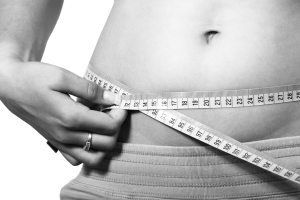
8 yummy food to reduce belly fat

Reducing belly fats can sometimes be challenging. Some foods have exceptional taste and prove to be good for your waistline. They may help you to burn belly fat.  You may find it difficult to believe but they taste yummy.

Foods that taste delicious and help you reduce your belly fat are:

1. Avocados

Avocados help your body to absorb carotenoids and cancer-fighting compounds. According to The Ohio State University of Columbus, avocado has 15 times higher absorption of carotenoids.

2. Bananas

Bananas contain potassium, a mineral that helps to limit the amount of swelling sodium in the body.

3. Yogurt

Yogurt helps to cut down the bacteria that causes bloating and instead encourages the growth of good bacteria in your gut.

4. Berries

Having berries before a workout prepares the muscles for an intensive workout.

5. Chocolate skimmed milk

Even elders like chocolates. Having a glass filled with proteins and carbohydrates before workout help in muscle building.

6. Green tea

It is known to help increase metabolism in the body.  The compound named ECGC in the tea helps to burn fat.

7. Citrus

According to Arizona State University, citrus fruits like oranges and red peppers help you burn 30% more fat during exercise.

8. Whole grains

Fibers like oatmeal, brown rice, and bulgur aids keep your insulin levels low in the body. Researchers stated that it shrinks the fat cells.


Actuated Qvar RediHaler is available for Asthma maintenance and treatment

Teva, a pharmaceutical manufacturer launched the Qvar RediHaler (beclomethasone dipropionate HFA) Inhalation Aerosol to treat Asthma. This medication is said to treat the people from age 4 years till 60 years.

The medication Qvar RediHaler is proven to display the same active ingredient that you may find in Qvar Inhalation Aerosol. 

You may come across Qvar RediHaler in the form of novel breath-actuated inhaler technology. 

Teva will discontinue the sales of Qvar after launching Qvar RediHaler. It will be replaced with Qvar metered-dose inhaler. 

It has not been proven to relieve acute bronchospasm. According to Dr. Warner W. (Associate Medical Director of Asthma Associates of Southern California), medical groups stated that nearly 68% of patients avoid their metered-dose inhalers which may lead to uncontrolled symptoms of Asthma.

Qvar RediHaler is available in two strengths as 40 mcg and 80 mcg in 10.6g canisters that contain 120 actuations each. Neither shaking with Qvar RediHaler nor priming is required. It may not be used with a spacer or a volume holding chamber and also, shaking the inhaler with the cap open may cause actuation.

“Qvar RediHaler is the first breath-actuated aerosol inhaled corticosteroid indicated for the condition. Unlike metered-dose inhalers (MDIs), the breath-actuated inhaler does not require hand-breath coordination during inhalation.”

NOTE: This sheet is a summary. It may not cover all possible information. If you have questions about this medicine, talk to your doctor, pharmacist, or health care provider.

DISCLAIMER: This content is provided for informational purposes only. The content is not intended to be a substitute for professional medical advice, diagnosis, or treatment. Patients should always consult their physicians with any questions regarding a medical condition and to obtain medical advice and treatment.

Fats — good or bad? A look at the research

Are all fats in our diet bad for us? Are some fats terrible and others a cure-all? Since the mid-1950s, dietary guidelines and published research on the subject have taken enough twists and turns to leave many of us confused.

The three main categories of fat are trans fats, unsaturated fats, and saturated fats. In the early 1980s, the U.S. Department of Agriculture recommended avoiding all types of fat. Low-fat diets became the craze and numerous “low-fat” items appeared on grocers’ shelves.

The problem was that many of these products replaced fat with refined sugars and junk food carbs, knocking out the health benefits. And labeling all dietary fats as bad ignored the fact that we need some fats to help us absorb certain nutrients.

A few years later, experts narrowed the warning about fats. They recommended that people strongly limit saturated fats because they tended to raise LDL cholesterol levels and could increase the risk of cardiovascular disease (CVD). The main sources of saturated fats are butter, whole-fat dairy, lard, beef tallow, palm oil, palm kernel oil, and coconut oil.

Today, we hear a lot about the hazards of trans fats. A large body of research has shown that artificially created trans fats should be avoided because they elevate LDL levels (bad cholesterol) and decrease HDL levels (good cholesterol), putting you at an increased risk of CVD. Another name for trans fats is “partially hydrogenated oils.” These fats are typically found in pie, stick margarine, canned frostings, creamers, many frozen pizzas, and some packaged snacks.

Research also supports the conclusion that unsaturated fats — both monounsaturated and polyunsaturated varieties — can actually lower the risk of CVD. Monounsaturated fats are found in olive, peanut, and canola oils; avocados; almonds, pecans, pumpkin, sesame seeds, and other nuts. Polyunsaturated fats are in salmon, trout, walnuts, as well as safflower, corn, and soybean oils.

Hope Health

Hope Health’s blog has a ton of useful health program information. In addition to their regularly updated blog, there are case studies, downloadables, brochures, wellness kits, and much more.

Hope Health is an easy-to-read resource for any HR manager who needs some inspiration or solid action steps on improving their company wellness.

Their unique focus on developing effective communication skills in your organization is something that sets Hope Health apart from other wellness blogs. That’s because Hope Health understands that a successful wellness program relies on trust, and trust beings with communication.

Design a site like this with WordPress.com
Get started